We may earn a commission when you buy through links on this page. As an Amazon Associate we earn from qualifying purchases. How we make money.
Quick answer
The best weightlifting shoes for flat feet have a wide, firm base, room for the forefoot and only a modest built-in arch. Good fits: TYR L-2 (wide toe box), Reebok Lifter PR III (low arch, budget), Reebok Legacy Lifter III (stiff, locked-in). The Nike Romaleos 4 has the most stable platform but a snug toe box. If lifting hurts your feet, see a podiatrist before you buy anything.
Quick honest note first. I’m not a doctor, and this is general information, not medical advice. If your feet hurt when you lift, a podiatrist or physio is a better first stop than a new pair of shoes. What I can do is point you to the lifters whose specs and owner reports line up with what flat-footed lifters tend to need, and flag where the review sites disagree.
Flat feet and lifting: what's actually going on
Cleveland Clinic describes two main types. With flexible flat feet, the most common kind, you can see an arch when you sit but it disappears when you stand. Rigid flat feet have no arch either way and are rare. Lots of people have flat feet with no pain at all, and Cleveland Clinic notes that flat feet are often no cause for concern.
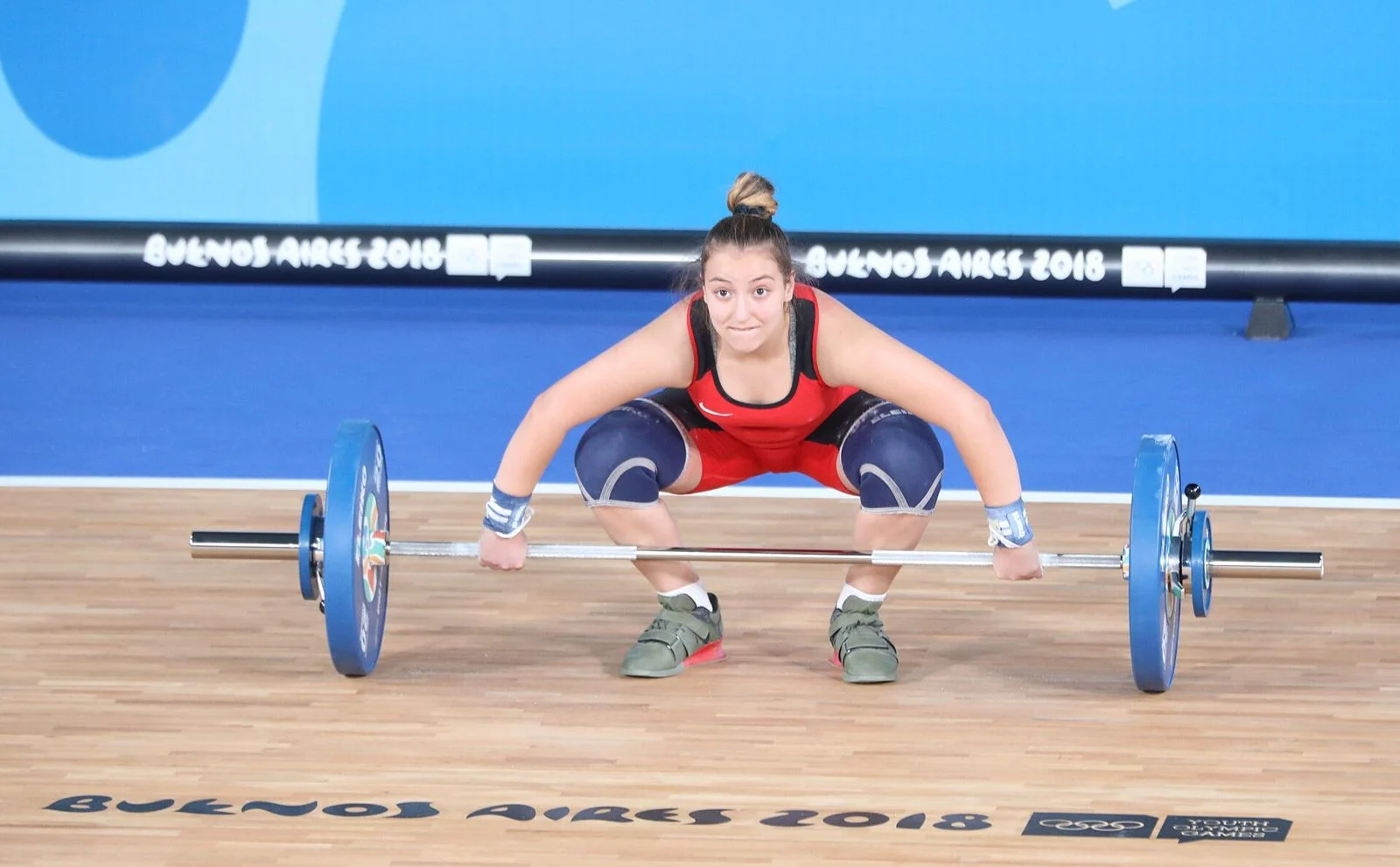
For lifting, the flexible kind is the one you’ll notice. Under a heavy squat your arch drops further, your knees may drift inward and you can feel like you’re standing on the inside edge of your foot. A shoe can’t fix that, but a firm, wide platform gives you a solid base to push against while you work on foot position. Coaches often cue a tripod foot: weight spread across the heel, the big toe joint and the little toe joint.
If your flat feet came on later in life, changed recently or hurt, that’s a different story. Cleveland Clinic lists posterior tibial tendon problems as the most common cause of arches collapsing in adults. That needs a professional, not a shopping list.
What to look for in weightlifting shoes for flat feet
- A wide, flat platform. More contact with the floor means more stability when your arch collapses a bit under load.
- A firm, non-compressible heel. Every true lifter has one, which is already a big step up from a cushioned trainer.
- Forefoot room. Flat feet often come with a wider forefoot, and a cramped toe box makes balance worse.
- A modest arch. Some lifters build in a noticeable arch, and flat-footed owners don’t always like it pressing into the midfoot.
- A removable insole if you use orthotics, so your custom insert can replace it rather than sit on top.
Our picks for flat feet
Wide forefoot
TYR L-2 Lifter
Wide toe box and a broad, flat base with two straps.
Budget, low arch
Reebok Lifter PR III
Little built-in arch and a fair price. Narrow to neutral width.
Most locked-in
Reebok Legacy Lifter III
Very stiff platform and a supportive upper.
| Shoe | Heel height | Closure | Best for | Typical price |
|---|---|---|---|---|
| TYR L-2 Lifter | 21 mm (0.83") | Laces + 2 straps | Wide feet, Olympic lifts | ~$225 |
| Reebok Lifter PR III | 15–18 mm* | Laces + strap | Budget, beginners | $80–110 |
| Reebok Legacy Lifter III | 20.5–22 mm* | Laces + strap | Olympic lifts, tall lifters | ~$220 |
| Nike Romaleos 4 | 20–20.5 mm* | Laces + 2 straps | Olympic lifts, heavy squats | $200–230 |
| Adidas Adipower 3 | 20–22 mm* | Laces + 1 strap | Olympic lifts, lifters with flat feet | ~$220 |
Best for wide, flat feet
TYR L-2 Lifter
- Heel height21 mm (0.83")
- ClosureLaces + 2 straps
- FitWide toe box; reviewers often size up half to a full size
- Best forWide feet, Olympic lifts
The L-2 is built around the foot shape many flat-footed lifters have: wide up front. Garage Gym Reviews picks it as its best lifter for wide feet. The broad, flat sole puts more of your foot on the floor and two straps stop the extra room from turning into slop. Reviewers often size up half to a full size, so read the size notes first. It replaces the older L-1.
Pros
- Wide toe box
- Flat, broad sole
- Two straps
Cons
- Runs small
- Loose on narrow feet
Best budget for flat feet
Reebok Lifter PR III
- Heel height15–18 mm
- Weight~17.6 oz (US 10, ThatFitFriend)
- ClosureLaces + strap
- FitNarrow to neutral; little arch support
- Best forBudget, beginners
ThatFitFriend’s review says the Lifter PR III has little aggressive arch support, which suits flatter feet, and that it fits narrow and neutral widths best. That makes it a sensible cheap first lifter if your feet are flat but not especially wide. The midsole is on the springy side for really heavy lifts, and sources disagree on whether the heel is 15 or 18 mm.
Pros
- Low arch
- Often under $110
Cons
- Springy under heavy loads
- Snug for wide feet
Most locked-in
Reebok Legacy Lifter III
- Heel height20.5–22 mm
- Weight~22.1 oz / 627 g (RunRepeat lab)
- ClosureLaces + strap
- FitRoomy at the widest point (RunRepeat 94.8 mm) but tapers toward the toes; true to size
- Best forOlympic lifts, tall lifters
RunRepeat gave the Legacy Lifter III maximum scores for torsional rigidity and heel counter stiffness, and the upper hugs the foot hard. If your foot rolls inward under load, that hold helps. It’s roomy at its widest point but tapers toward the toes, and the heel is tall (20.5 mm measured), so it suits upright squatters more than low-bar lifters.
Pros
- Very stiff, stable platform
- Secure upper
Cons
- Heavy at about 22 oz
- Tapered toe box
- Tall heel isn’t for everyone
Most stable, if your forefoot is narrow
Nike Romaleos 4
- Heel height20–20.5 mm
- Weight~19–20 oz (US 10.5)
- ClosureLaces + 2 straps
- FitWide flat outsole, but a snug toe box; many owners size up half
- Best forOlympic lifts, heavy squats
The Romaleos 4’s wide, flat outsole is a big reason it rates so well for stability, and that broad base helps if your arches flatten under heavy squats. The catch is the toe box. It’s snug, and many owners size up half, so it’s only a good flat-foot pick if your forefoot is average or narrow. Our Romaleos 4 review covers the fit.
Pros
- Very wide, flat outsole
- Firm heel
Cons
- Snug toe box
- Heavy and pricey
The Adipower 3 debate
Review sites split on this one. Garage Gym Reviews names the Adidas Adipower III its best lifter for flat feet. ThatFitFriend’s review praises a fair amount of arch support but lists that same arch as a con for flat feet, and calls the toe box very narrow. My take: if your flat feet like support under the arch, it may suit you. If you’ve found that arch support pushes uncomfortably into your midfoot, or your forefoot is wide, try it on before you commit.
Insoles, orthotics and lifting shoes
Cleveland Clinic lists orthotic inserts among the standard conservative options for painful flat feet. If you’ve been given custom orthotics, bring them when you try lifters on. Swap them for the stock insole rather than stacking them on top, or your heel can sit high in the shoe and slip. Check that the strap still closes comfortably over the extra volume. And ask whoever prescribed them whether they’re meant for lifting too.
Who should skip these picks
If you have foot pain, numbness or a recent change in your arch, skip the shopping and get assessed. If you squat low-bar and deadlift, you might not want a heel at all; our squat shoe guide explains when flat shoes win. And if budget is the main limit, the cheap lifting shoe guide compares the sub-$130 options. For the full lineup, see our best weightlifting shoes guide.
Our verdict
Prioritize width and a firm, flat base.
Wide forefoot: TYR L-2. Budget with a low arch: Reebok Lifter PR III. Narrow forefoot and want the most stable platform: Romaleos 4. If lifting causes foot pain, get it checked before buying any shoe.
FAQ
Are weightlifting shoes good for flat feet?
They can be. Lifters have firm, non-compressible heels and flat outsoles, which many flat-footed lifters find more stable than soft trainers.
Do weightlifting shoes have arch support?
Some do, some don’t. The Adipower 3 has a noticeable arch, while the Lifter PR III has very little. If you need more support, check that your own insoles fit inside the shoe.
Should flat-footed lifters avoid lifting shoes?
Not necessarily. Focus on fit: a wide, firm base and room for your forefoot. If you have pain, talk to a podiatrist first.
Can I wear orthotics in weightlifting shoes?
Usually, if you remove the stock insole first. Try them on together and make sure your heel doesn’t lift and the strap still closes.
Sources
- Cleveland Clinic: Flat feet (pes planus)
- Garage Gym Reviews: best weightlifting shoes (flat feet pick)
- ThatFitFriend: Adidas Adipower 3 review (arch notes)
- ThatFitFriend: Reebok Lifter PR 3 review (arch notes)
- TYR L-2 Lifter specs: roguefitness.com, tyr.com
- Reebok Lifter PR III specs: garagegymreviews.com, thatfitfriend.com
- Reebok Legacy Lifter III specs: runrepeat.com, runrepeat.com
- Nike Romaleos 4 specs: barbend.com, garagegymlab.com, roguefitness.com, runrepeat.com, garagegymreviews.com
- Adidas Adipower 3 specs: castiron-lift.com