Quick answer
After shoes, the weightlifting accessories that help most lifters are chalk (grip, almost free), a lifting belt (once squats and deadlifts get heavy), wrist wraps (heavy pressing and front rack) and lifting straps (heavy pulls). Knee sleeves are optional comfort. Skip gloves if your gym allows chalk.
It’s easy to spend more on gym accessories than on your gym membership. Most of them can wait. Here’s what each one actually does, roughly when it starts to make sense, and the sizing details that trip people up. If you compete, I’ve added the IPF powerlifting limits too, since buying gear you can’t use on meet day is an annoying way to waste money.
The order I'd buy weightlifting accessories in
- Month one: lifting shoes if you squat or do the Olympic lifts, plus a block of chalk.
- When grip starts failing before your back or legs on heavy pulls: lifting straps.
- When your wrists bend back under heavy bench, overhead press or front squats: wrist wraps.
- When you’ve learned to brace and your squat and deadlift working sets get heavy: a belt.
- Whenever you like, if your knees feel better warm: knee sleeves.
That order isn’t about price. It’s about solving a problem you actually have. A belt bought in week one tends to cover up bracing you haven’t learned yet.
Chalk: the cheapest upgrade
Chalk dries your hands so the bar doesn’t slip. For deadlifts, pull-ups and the Olympic lifts it makes a noticeable difference for almost no money. Block chalk is the cheapest; liquid chalk is less messy, which matters if your gym is strict about it. Ask before you bring loose chalk into a commercial gym.
Lifting belt: once the weights get heavy
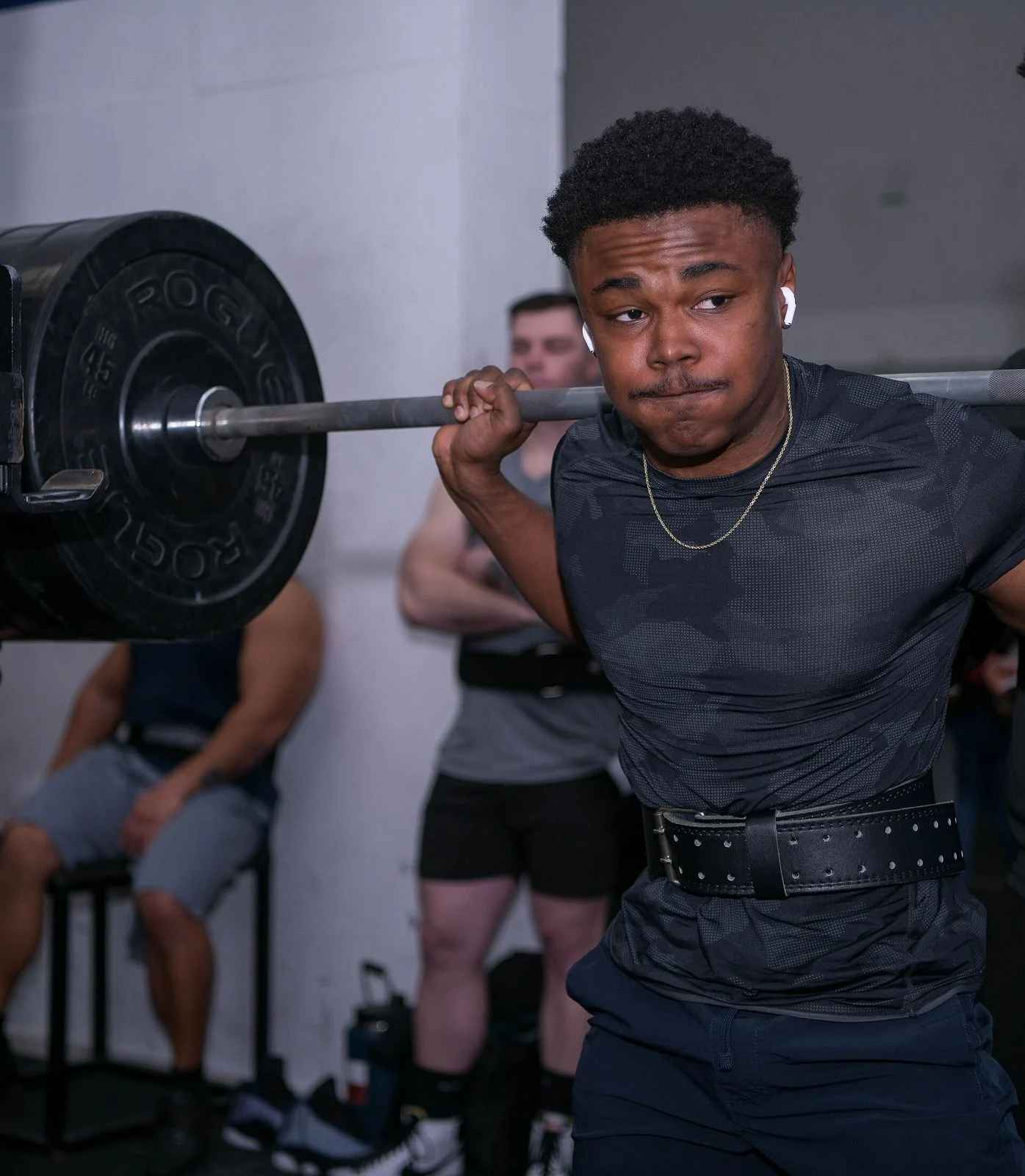
A belt gives your abs something to push against when you brace. There’s decent evidence it changes what happens inside your trunk. In a small 1989 study, Harman and colleagues had nine lifters deadlift 90% of their max with and without a belt. With the belt, pressure inside the abdomen rose earlier and peaked higher. The authors suggested that may reduce load on the spinal discs, though that last part was a hypothesis, not something they measured.
You don’t need one as a beginner. Learn to brace first. Many lifters add a belt once their working sets get genuinely heavy. Powerlifters usually choose a stiff leather belt, 10 mm or 13 mm thick, with a prong or lever buckle. Lever belts are faster to get on and off but harder to adjust between lifts. Olympic lifters often prefer a thinner, flexible belt that doesn’t dig in when the bar crashes into the front rack.
Competing in powerlifting? The IPF limits belts to 10 cm wide and 13 mm thick, and only belts from approved makers are allowed. A 13 mm belt is the thickest you can use.
Wrist wraps: for pressing and front rack
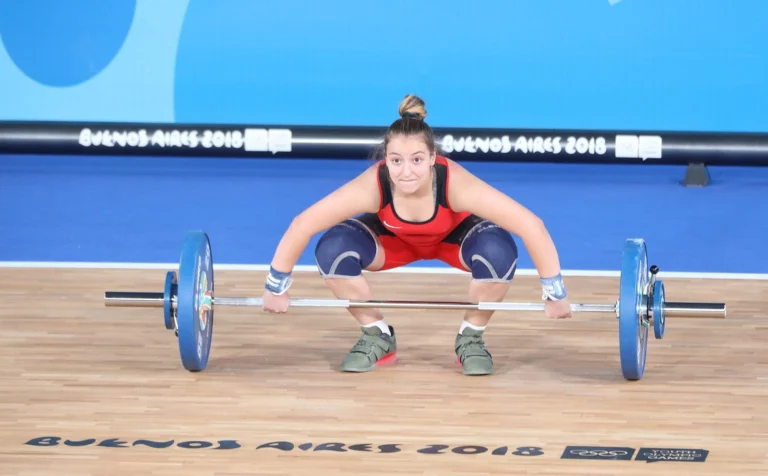
Wraps support your wrists on heavy bench, overhead press and front squats, and many people find them helpful in the clean and jerk. Shorter, flexible wraps suit Olympic lifting because you can still move your wrists. Longer, stiffer wraps suit powerlifting, where you want the wrist locked straight under a heavy bench. For IPF meets, wraps can’t be longer than 1 m or wider than 8 cm, and supportive wraps need to come from an approved maker.
Lifting straps: for heavy pulls
Straps let you hold onto heavy deadlifts, rows and snatch pulls when your grip gives out before your back does. Use them for accessory work and heavy pulls, but still train grip without them. Two caveats: straps aren’t on the list of permitted gear in powerlifting competition, and in the Olympic lifts you have to learn to bail the bar safely, which is harder when you’re strapped to it. Most coaches keep straps off the full snatch and clean until you know how to miss.
Knee sleeves: optional comfort
Neoprene sleeves keep your knees warm and many lifters find them more comfortable for squats. They’re nice to have, not essential. Thickness is the main choice. Thinner sleeves are easier to get on and move with, which Olympic lifters tend to like. Thicker 7 mm sleeves feel more supportive and are the IPF maximum, along with a 30 cm length. Sizing is tight by design, so check the brand’s chart against your knee measurement.
What you can skip
- Gloves: chalk gives a better grip, and gloves add thickness between your hand and the bar.
- Squat pads for the bar: they make the bar less stable on your back. Learn bar position instead.
- Knee wraps (as opposed to sleeves): IPF rules only allow them in equipped competition, and most raw lifters never need them.
- Gadgets from ads: if it promises to add 50 lb to your squat, it won’t.
Don't forget your shoes
The biggest piece of kit for squats and the Olympic lifts is still your shoes, and they’re the first thing I’d buy. Our best weightlifting shoes guide covers the main options, the squat shoe guide matches heel height to squat style, and the cheap lifting shoe guide helps if you’d rather spend the money on a belt.
FAQ
What weightlifting accessories should a beginner buy first?
Shoes and chalk. Add straps, wraps or a belt only when a specific problem shows up, like grip failing on heavy pulls.
Do beginners need a lifting belt?
Usually not. Learn to brace without one first. A belt becomes useful once your squats and deadlifts get heavy.
Are lifting straps cheating?
No. They’re a tool for when grip limits the exercise. Keep training your grip without them too, and note they aren’t allowed in powerlifting meets.
Should I wear gloves for lifting?
Most lifters prefer chalk. Gloves add thickness between your hand and the bar, which can make grip worse.
How thick should knee sleeves be?
Thinner sleeves suit Olympic lifting and general training; 7 mm sleeves give more support for heavy squats. 7 mm is also the IPF limit.